

Empowering Women Entrepreneurs in MENA
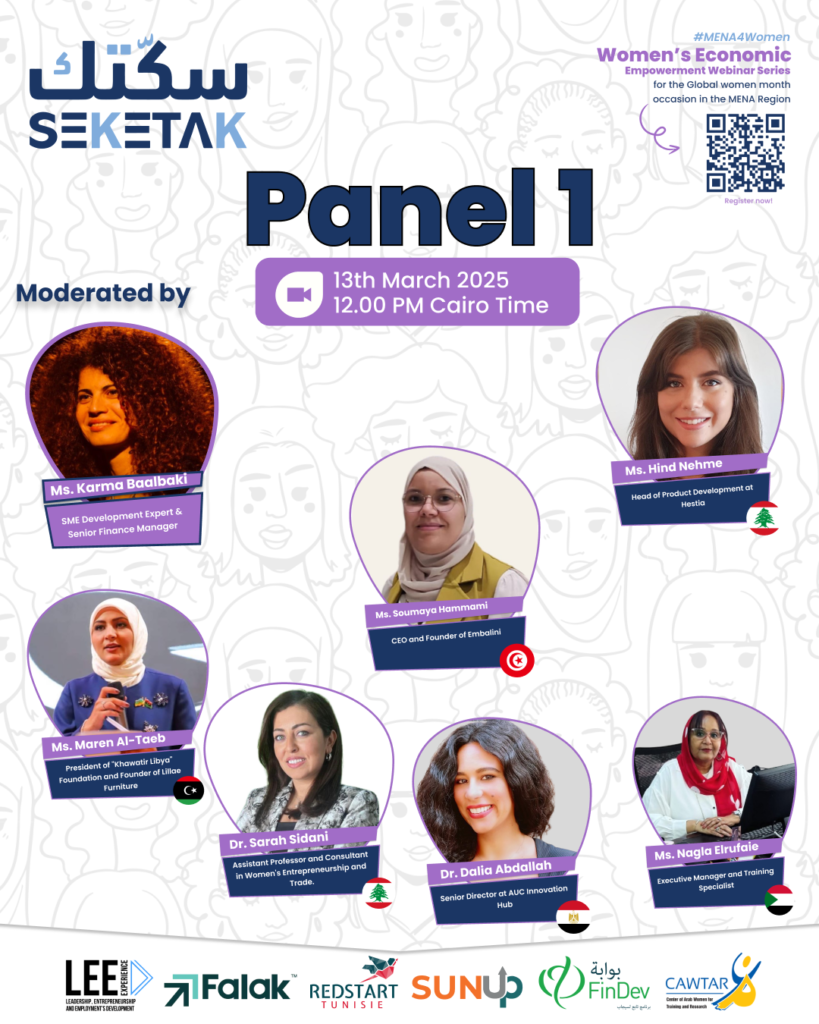
In a recent webinar titled “Overcoming Barriers: Empowering Women Entrepreneurs in MENA,” experts from across the Middle East and North Africa (MENA) region gathered to discuss the multifaceted challenges faced by women entrepreneurs. Organized by Saktek Solutions , this event aimed at economically empowering women through entrepreneurship, aligning with the global initiative of celebrating International Women’s Month.
Keynote Speakers and Their Insights
The webinar was facilitated by Karma Bannaiki , a development expert from Lebanon specializing in small and medium-sized enterprises (SMEs). She emphasized addressing both organizational and cultural barriers that women face in their entrepreneurial journeys.
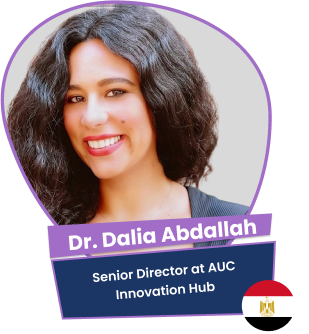
An innovation expert from Egypt, highlighted significant strides Egypt has made in fostering an environment conducive to entrepreneurship. Despite progress, cultural expectations and societal pressures remain formidable obstacles for women. Dr. Abdullah stressed the need for greater awareness and support systems. According to her, only 25% of women entrepreneurs in Egypt receive adequate funding, and there is a clear need for more inclusive financial services.
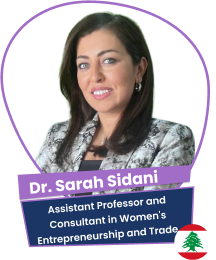
Dr. Sara Saeedani, an entrepreneurship specialist from Lebanon, discussed the critical role of cultural perceptions in shaping entrepreneurial decisions. Societal norms often dictate career choices, pushing individuals towards employment rather than entrepreneurship. Dr. Saeedani advocated for educational initiatives to shift these perceptions. She noted that 70% of women in Lebanon feel pressured to prioritize family over business.
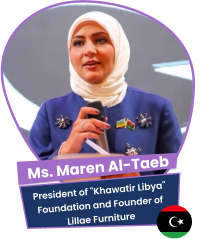
Ms. Marwan Al-Taieb, an entrepreneur from Libya, shared her experiences running a furniture manufacturing company. She emphasized the lack of financial support and networking opportunities as significant hurdles. Her online platform connects over 35,000 women, providing them with training and resources. This highlights the power of digital platforms in overcoming geographical barriers.
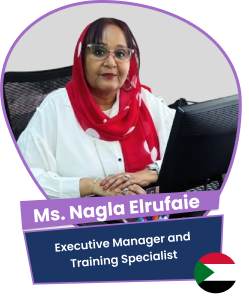
Ms. Nagla Al-Rifai, an economic empowerment expert from Sudan, outlined geographical and regulatory constraints faced by women entrepreneurs in Sudan. She highlighted the importance of international and governmental support. In Sudan, women face restrictions on mobility, with 60% unable to travel freely for business purposes.
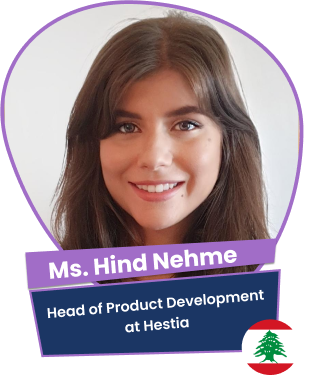
Ms. Hind Ne’ma, an entrepreneur from Lebanon, echoed similar sentiments about the need for financial and logistical support, praising local associations but calling for more substantial government involvement. She pointed out that bureaucratic procedures can delay business operations by up to 6 months.
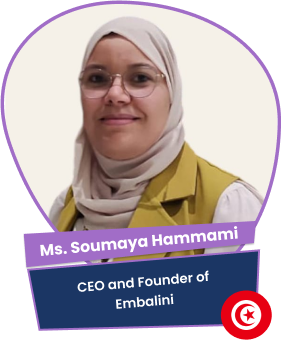
Ms. Soumaya Hamaami, an entrepreneur from Tunisia, discussed difficulties in accessing appropriate funding and breaking into traditionally male-dominated industries. She emphasized simplifying bureaucratic procedures and providing targeted incentives for women-led businesses. According to her, only 30% of women entrepreneurs in Tunisia receive loans matching their project needs.
Strategies for Success
The panelists offered several strategies to empower women entrepreneurs:
- Financial Support: Accessible and appropriate funding is crucial. Governments and organizations should provide microloans and venture capital tailored to women’s needs. For instance, in Tunisia, the Bank of Solidarity offers loans specifically designed for women entrepreneurs.
- Training and Education: Continuous learning opportunities and mentorship programs can equip women with necessary skills and knowledge. Programs like "Women in Leadership" in Sudan have shown success in enhancing leadership and business management skills.
- Networking Opportunities: Building strong networks with other entrepreneurs, mentors, and industry leaders is vital for growth and support. Ms. Al-Taieb’s platform in Libya demonstrates how digital tools can facilitate such connections.
- Policy Reforms: Simplifying regulatory processes and enacting supportive legislation can significantly ease the path for women entrepreneurs. Streamlining customs procedures, as suggested by multiple speakers, could reduce operational delays by up to 50%.
- Cultural Shifts: Challenging traditional gender roles and promoting positive role models can inspire more women to pursue entrepreneurship. Educational reforms, starting from early schooling, are essential in changing societal perceptions.
Case Studies and Best Practices
- 🇪🇬 Egypt: The "Ruwad Nile" initiative offers excellent training workshops for women entrepreneurs, focusing on technological skills. Approximately 40% of participants reported increased confidence in pursuing tech-based ventures.
- 🇯🇴 Jordan: Empowerment through networks and community support provides platforms for experience exchange and mentoring. Jordan’s initiatives have resulted in a 20% increase in women-led startups over the past two years.
- 🇧🇭 Bahrain: Export initiatives help women entrepreneurs export their products effectively. Bahrain’s program has led to a 25% rise in female-led exports since its inception.
- 🇹🇳 Tunisia: The Creative Women Platform facilitates networking and collaboration among women entrepreneurs. Participants have seen a 35% increase in business partnerships.
- 🇲🇦 Morocco: Collaboration with international labor organizations supports specialized female entrepreneurship programs. Morocco’s efforts have boosted women’s participation in the formal economy by 15%.
Conclusion
The webinar underscored the resilience and determination of women entrepreneurs in the MENA region. While significant challenges remain, collaborative efforts by international organizations, governments, and civil society can pave the way for greater economic empowerment. By fostering a supportive ecosystem, we ensure women have the tools and opportunities they need to thrive.
As we move forward, let us continue challenging stereotypes and working together towards a future where everyone has the chance to succeed. Together, we can redefine narratives and create a more inclusive and equitable society.
Thank you to all participants and speakers who contributed to this insightful discussion. We look forward to continuing this journey and seeing the transformative impact on women’s entrepreneurship in the MENA region.
Stay tuned for more webinars and resources by subscribing to updates from Saktek Solutions . Together, let’s build a more inclusive and supportive entrepreneurial ecosystem.
Ramadan Kareem and best wishes to all!
